Labor force - by occupation: |  |
agriculture: 43% industry: 20.3% services: 36.6% (2005 est.) Unemployment Rate: 15% (2010 est.) The unemployment rate is very high in Pakistan and is partly contributed to how most of the labor revolves around agriculuture in a mostly rural country. Since weather and many factors are able to change that rate so easily, the unemployment rate is changing and has increased since the recent drought has killed about half of Pakistan's rice crops. | |
National Flag

Wednesday, May 18, 2011
Employment in Pakistan
Out of a population of about 190,000,000 Pakistan has a labor force of about 55,770,000, which is tenth in the world.

Inequalities in Pakistan
"The significantly to inequality are self-employment other than agriculture, profits, interests, gifts/assistance and property in urban areas and self-employment in agriculture as well as other than agriculture and property income in the rural areas. The analysis further shows that inequality in non-food consumption expenditures is more severe as compared to the inequality in food consumption expenditures.
There is a presence of high degree of earnings inequality in Pakistan, especially in urban Pakistan. The analysis further shows that earnings inequality is relatively higher among youngest and eldest groups of earners, female earners, earners with low level of education, earners working as employers and members of producer's cooperatives, and the earners employed in services industries other than social & personal services. On the other hand, the degree of inequality is lower among the middle-age groups, the highly educated workers, paid workers and the workers employed in the primary products industries namely agriculture, forestry, hunting & fishing.
The decomposition analysis indicates that age of the earners in an important factor contributing to earning inequality in urban Pakistan but not in rural Pakistan. In urban Pakistan the earnings inequality between employment statuses, especially between employers and paid employees, is also quite high. Contrary to the popular belief, the inequality between earners with different levels of education is not much high, though the inequality within the groups of earners having higher levels of education is less than the inequality within the groups of earners with low levels of education."
http://eprints.hec.gov.pk/2065/1/1984.htm
There is a presence of high degree of earnings inequality in Pakistan, especially in urban Pakistan. The analysis further shows that earnings inequality is relatively higher among youngest and eldest groups of earners, female earners, earners with low level of education, earners working as employers and members of producer's cooperatives, and the earners employed in services industries other than social & personal services. On the other hand, the degree of inequality is lower among the middle-age groups, the highly educated workers, paid workers and the workers employed in the primary products industries namely agriculture, forestry, hunting & fishing.
The decomposition analysis indicates that age of the earners in an important factor contributing to earning inequality in urban Pakistan but not in rural Pakistan. In urban Pakistan the earnings inequality between employment statuses, especially between employers and paid employees, is also quite high. Contrary to the popular belief, the inequality between earners with different levels of education is not much high, though the inequality within the groups of earners having higher levels of education is less than the inequality within the groups of earners with low levels of education."
http://eprints.hec.gov.pk/2065/1/1984.htm
Sunday, May 15, 2011
Conclusion
Conclusion
Through all of my research and work done on Pakistan, I have found the enormous potential for Pakistan's economy. Currently, Pakistan has the world's 7th biggest population and 28th in the world in GDP. Pakistan is a more rural country it should be with most of its labor force being devoted to agriculture (43%). Pakistan is trying to urbanize but is doing so at a very slow rate. One of the biggest problem is about 30% of the workforce is coming from children 14 and younger. With kids having to work at such a young age that they are not getting the proper education with only a 7 year education expectancy. With most of the country's labor being agriculture, it is not even being done efficiently, since a lot of the farmers are not very well educated so that they do not know how to use the technology available to farm more efficiently and cannot afford to learn. When Pakistan can better solve this problem and the people be used more efficiently in other lines of work Pakistan can become a major world power. As of right now, Pakistan has struggled recently with the recent drought killing a lot of the corn crop and causing them to have to import more corn since they cannot produce enough. Also the military conflict on the Pakistan-Afghanistan border has caused unrest in that part of the country and forced some people to move from their homes. Even after all of this, Pakistan has all of the potential for a promising future.
Through all of my research and work done on Pakistan, I have found the enormous potential for Pakistan's economy. Currently, Pakistan has the world's 7th biggest population and 28th in the world in GDP. Pakistan is a more rural country it should be with most of its labor force being devoted to agriculture (43%). Pakistan is trying to urbanize but is doing so at a very slow rate. One of the biggest problem is about 30% of the workforce is coming from children 14 and younger. With kids having to work at such a young age that they are not getting the proper education with only a 7 year education expectancy. With most of the country's labor being agriculture, it is not even being done efficiently, since a lot of the farmers are not very well educated so that they do not know how to use the technology available to farm more efficiently and cannot afford to learn. When Pakistan can better solve this problem and the people be used more efficiently in other lines of work Pakistan can become a major world power. As of right now, Pakistan has struggled recently with the recent drought killing a lot of the corn crop and causing them to have to import more corn since they cannot produce enough. Also the military conflict on the Pakistan-Afghanistan border has caused unrest in that part of the country and forced some people to move from their homes. Even after all of this, Pakistan has all of the potential for a promising future.
Saturday, May 14, 2011
Pakistan's Monetary Policy
Pakistan's Fiscal and Monetary Policy
"Public, businesses and market needs to develop understanding that monetary
policy does indeed, over the long run, determine the behavior of the price level.
While inflation is precipitated by supply shocks, hoarding, official restrictions, import
prices, and so on, but these influence
monetary policy that can prevent an effect on the rate of inflation over a more
extended period. That is, following the initial price level shock, an appropriate
adjustment of the interest rate (if necessary) can stop a potential
repercussions on wages and prices.
Specialists use measures of core inflation, which exclude volatile prices, as a
way to see through one-off shocks. Core inflation is very useful to the central bank
itself, as a guide to the appropriate setting of its monetary policy stance.
Unexpectedly low (high) core inflation usually indicates the need for easing
(tightening) in the policy stance.
The ultimate objective of a central bank, and the measure of success of its
policy, is in terms of overall (i.e. headline) inflation. In this context, the way to deal
with price level shocks is to stress their
rate. This involves: ensuring that the effect on inflation
or may not require a policy action, and realizing that as monetary policy influences
the trend of prices with a lag of at least a year and a half, headline inflation should
return to its pre-shock rate not within not 1 year but 2 years.
Price signals in a market economy operate less effectively when the price
level is unstable; in addition, resources are diverted to unproductive speculation and
hedging. Thus, countries with unstable price levels—high inflation or deflation—
almost always experience weak output and growth. Thus, low inflation is not merely
an end in itself, but also a means to good overall economic performance.
The main cause of high interest rates is high inflation, through the expectedinflation
premium. Conversely, the best prospect for low interest rates is a stable
environment of low inflation. In this context, the relatively high interest rates that may
be necessary to achieve a desired disinflation represent “short-term pain for longterm
gain.” SBP, therefore, has a current focus on anti-inflation policy which will
ensure steady growth in the long run."
http://www.docstoc.com/docs/19956341/Monetary-Policy-in-Pakistan
http://www.docstoc.com/docs/19956341/Monetary-Policy-in-Pakistan
Saturday, March 26, 2011

Sunday, March 6, 2011
Government
Government
Islamic Republic of Pakistan
Government Type: federal republic
Administrative Divisions: 4 provinces, 1 territory, and 1 capital territory; Balochistan, Federally Administered Tribal Areas, Islamabad Capital Territory, Khyber Pakhtunkhwa (formerly North-West Frontier Province), Punjab, Sindh
Independence: 14 August 1947 (from British India)
Elections: the president elected by secret ballot through an Electoral College comprising the members of the Senate, National Assembly, and the provincial assemblies for a five-year term; election last held on 6 September 2008 (next to be held not later than 2013); note - any person who is a Muslim and not less than 45 years of age and is qualified to be elected as a member of the National Assembly can contest the presidential election; the prime minister selected by the National Assembly; election last held on 24 March 2008
Legal System: based on English common law with provisions to accommodate Pakistan's status as an Islamic state; accepts compulsory ICJ jurisdiction with reservations
Constitution: 12 April 1973; suspended 5 July 1977, restored 30 December 1985; suspended 15 October 1999, restored in stages in 2002; amended 31 December 2003; suspended 3 November 2007; restored on 15 December 2007; amended 19 April 2010
https://www.cia.gov/library/publications/the-world-factbook/geos/pk.html
Islamic Republic of Pakistan
Government Type: federal republic
Administrative Divisions: 4 provinces, 1 territory, and 1 capital territory; Balochistan, Federally Administered Tribal Areas, Islamabad Capital Territory, Khyber Pakhtunkhwa (formerly North-West Frontier Province), Punjab, Sindh
Independence: 14 August 1947 (from British India)
Elections: the president elected by secret ballot through an Electoral College comprising the members of the Senate, National Assembly, and the provincial assemblies for a five-year term; election last held on 6 September 2008 (next to be held not later than 2013); note - any person who is a Muslim and not less than 45 years of age and is qualified to be elected as a member of the National Assembly can contest the presidential election; the prime minister selected by the National Assembly; election last held on 24 March 2008
Legal System: based on English common law with provisions to accommodate Pakistan's status as an Islamic state; accepts compulsory ICJ jurisdiction with reservations
Constitution: 12 April 1973; suspended 5 July 1977, restored 30 December 1985; suspended 15 October 1999, restored in stages in 2002; amended 31 December 2003; suspended 3 November 2007; restored on 15 December 2007; amended 19 April 2010
https://www.cia.gov/library/publications/the-world-factbook/geos/pk.html
Socio-Cultural
Socio-Cultural Context of Pakistan
Religious Beliefs: Pakistan was formed as an Islamic nation, and Islam continues to be the religion of approximately 95 percent of the population. There are also small groups of Buddhists, Christians, Parsis, and Hindus. The Muslim religion was founded by the prophet Muhammad in the seventh century, when, according to Islamic belief, he received messages from God and wrote them down in what became the Qur'an, the Islamic book that instructs Muslims on how to conduct their lives.
Religious Beliefs: Pakistan was formed as an Islamic nation, and Islam continues to be the religion of approximately 95 percent of the population. There are also small groups of Buddhists, Christians, Parsis, and Hindus. The Muslim religion was founded by the prophet Muhammad in the seventh century, when, according to Islamic belief, he received messages from God and wrote them down in what became the Qur'an, the Islamic book that instructs Muslims on how to conduct their lives.


Labor
Labor
Population Demographics
Out of 187,342,721 people:


Population Demographics
Out of 187,342,721 people:
0-14 years: 35.4% (male 34,093,853/female 32,278,462)
15-64 years: 60.4% (male 58,401,016/female 54,671,873)
65 years and over: 4.2% (male 3,739,647/female 4,157,870)
Total Work Force: 55.77 Million
Work Force - By Occupation:
agriculture: 43%
industry: 20.3%
services: 36.6%
Unemployment Rate: 15% - 151st in Comparison to Countries in World
Agriculuture Products: cotton, wheat, rice, sugarcane, fruits, vegetables; milk, beef, mutton, eggs
Industries: textiles and apparel, food processing, pharmaceuticals, construction materials, paper products, fertilizer, shrimp
Saturday, March 5, 2011
History of Pakistan
History of Pakistan
The modern state of Pakistan was established on 14 August 1947, it carved out of the two Muslim-majority wings in the eastern and northwestern regions of British India and comprising the provinces of Balochistan, East Bengal, the North-West Frontier Province, West Punjab and Sindh. The controversial, and ill-timed, division of the provinces of Punjab and Bengal caused communal riots across India and Pakistan—millions of Muslims moved to Pakistan and millions of Hindus and Sikhs moved to India.
Disputes arose over several princely states including in the Muslim-majority Jammu and Kashmir, whose Hindu ruler had acceded to India following an invasion by Pashtun tribal militias, leading to the First Kashmir War in 1948.
From 1947 to 1956, Pakistan was a Dominion of Pakistan in the Commonwealth of Nations. It became a Republic in 1956, but the civilian rule was stalled by a coup d’état by General Ayub Khan, who was president during 1958–69, a period of internal instability and a second war with India in 1965. His successor, Yahya Khan (1969–71) had to deal with a devastating cyclone—which caused 500,000 deaths in East Pakistan—and also face a civil war in 1971. Economic grievances and political dissent in East Pakistan led to violent political tension and military repression that escalated into a civil war. After nine months of guerrilla warfare between the Pakistan Army and the Indian backed Bengali Mukti Bahini militia, Indian intervention escalated into the Indo-Pakistani War of 1971, and ultimately to the secession of East Pakistan as the independent state of Bangladesh.
Civilian rule resumed in Pakistan from 1972 to 1977 under Zulfikar Ali Bhutto, until he was deposed and later sentenced to death in 1979 by General Zia-ul-Haq, who became the country's third military president. Zia introduced the Islamic Sharia legal code, which increased religious influences on the civil service and the military. With the death of President Zia in a plane crash in 1988, Benazir Bhutto, daughter of Zulfikar Ali Bhutto, was elected as the first female Prime Minister of Pakistan. Over the next decade, she fought for power with Nawaz Sharif as the country's political and economic situation worsened. Pakistan got involved in the 1991 Gulf War and sent 5,000 troops as part of a U.S.-led coalition, specifically for the defence of Saudi Arabia.
Military tensions in the Kargil conflict with India were followed by a Pakistani military coup d'état in 1999 in which General Pervez Musharraf assumed vast executive powers. In 2001, Musharraf became President after the controversial resignation of Rafiq Tarar. After the 2002 parliamentary elections, Musharraf transferred executive powers to the newly elected Prime Minister Zafarullah Khan Jamali, who was succeeded in the 2004 prime-ministerial election by Shaukat Aziz. On 15 November 2007, the National Assembly, for the first time in Pakistan's history, completed its tenure and new elections were called. The exiled political leaders Benazir Bhutto and Nawaz Sharif were permitted to return to Pakistan. However, the assassination of Benazir Bhutto during the election campaign in December led to postponement of elections and nationwide riots. Bhutto's Pakistan Peoples Party (PPP) won the largest number of seats in the elections held in February 2008 and its member Yousaf Raza Gillani was sworn in as Prime Minister. On 18 August 2008, Pervez Musharraf resigned from the presidency when threatened with impeachment, and was succeeded by current president Asif Ali Zardari. By the end of 2009, more than 3 million Pakistani civilians have been displaced by the on going conflict in North-West Pakistan between the government and Taliban militants.
http://en.wikipedia.org/wiki/Pakistan
The modern state of Pakistan was established on 14 August 1947, it carved out of the two Muslim-majority wings in the eastern and northwestern regions of British India and comprising the provinces of Balochistan, East Bengal, the North-West Frontier Province, West Punjab and Sindh. The controversial, and ill-timed, division of the provinces of Punjab and Bengal caused communal riots across India and Pakistan—millions of Muslims moved to Pakistan and millions of Hindus and Sikhs moved to India.
Disputes arose over several princely states including in the Muslim-majority Jammu and Kashmir, whose Hindu ruler had acceded to India following an invasion by Pashtun tribal militias, leading to the First Kashmir War in 1948.
From 1947 to 1956, Pakistan was a Dominion of Pakistan in the Commonwealth of Nations. It became a Republic in 1956, but the civilian rule was stalled by a coup d’état by General Ayub Khan, who was president during 1958–69, a period of internal instability and a second war with India in 1965. His successor, Yahya Khan (1969–71) had to deal with a devastating cyclone—which caused 500,000 deaths in East Pakistan—and also face a civil war in 1971. Economic grievances and political dissent in East Pakistan led to violent political tension and military repression that escalated into a civil war. After nine months of guerrilla warfare between the Pakistan Army and the Indian backed Bengali Mukti Bahini militia, Indian intervention escalated into the Indo-Pakistani War of 1971, and ultimately to the secession of East Pakistan as the independent state of Bangladesh.
Civilian rule resumed in Pakistan from 1972 to 1977 under Zulfikar Ali Bhutto, until he was deposed and later sentenced to death in 1979 by General Zia-ul-Haq, who became the country's third military president. Zia introduced the Islamic Sharia legal code, which increased religious influences on the civil service and the military. With the death of President Zia in a plane crash in 1988, Benazir Bhutto, daughter of Zulfikar Ali Bhutto, was elected as the first female Prime Minister of Pakistan. Over the next decade, she fought for power with Nawaz Sharif as the country's political and economic situation worsened. Pakistan got involved in the 1991 Gulf War and sent 5,000 troops as part of a U.S.-led coalition, specifically for the defence of Saudi Arabia.
Military tensions in the Kargil conflict with India were followed by a Pakistani military coup d'état in 1999 in which General Pervez Musharraf assumed vast executive powers. In 2001, Musharraf became President after the controversial resignation of Rafiq Tarar. After the 2002 parliamentary elections, Musharraf transferred executive powers to the newly elected Prime Minister Zafarullah Khan Jamali, who was succeeded in the 2004 prime-ministerial election by Shaukat Aziz. On 15 November 2007, the National Assembly, for the first time in Pakistan's history, completed its tenure and new elections were called. The exiled political leaders Benazir Bhutto and Nawaz Sharif were permitted to return to Pakistan. However, the assassination of Benazir Bhutto during the election campaign in December led to postponement of elections and nationwide riots. Bhutto's Pakistan Peoples Party (PPP) won the largest number of seats in the elections held in February 2008 and its member Yousaf Raza Gillani was sworn in as Prime Minister. On 18 August 2008, Pervez Musharraf resigned from the presidency when threatened with impeachment, and was succeeded by current president Asif Ali Zardari. By the end of 2009, more than 3 million Pakistani civilians have been displaced by the on going conflict in North-West Pakistan between the government and Taliban militants.
http://en.wikipedia.org/wiki/Pakistan
Welcome!
Welcome to my blog about the country of Pakistan. I will show the different aspects of the economy of Pakistan and why it seems to struggle in comparison to nation with its size. There are many main components to Pakistan's economy, but I will be focusing on the defense of the nation and its military.
Welcome to my blog about the country of Pakistan. I will show the different aspects of the economy of Pakistan and why it seems to struggle in comparison to nation with its size. There are many main components to Pakistan's economy, but I will be focusing on the defense of the nation and its military.
Geography
Background Info on Pakistan
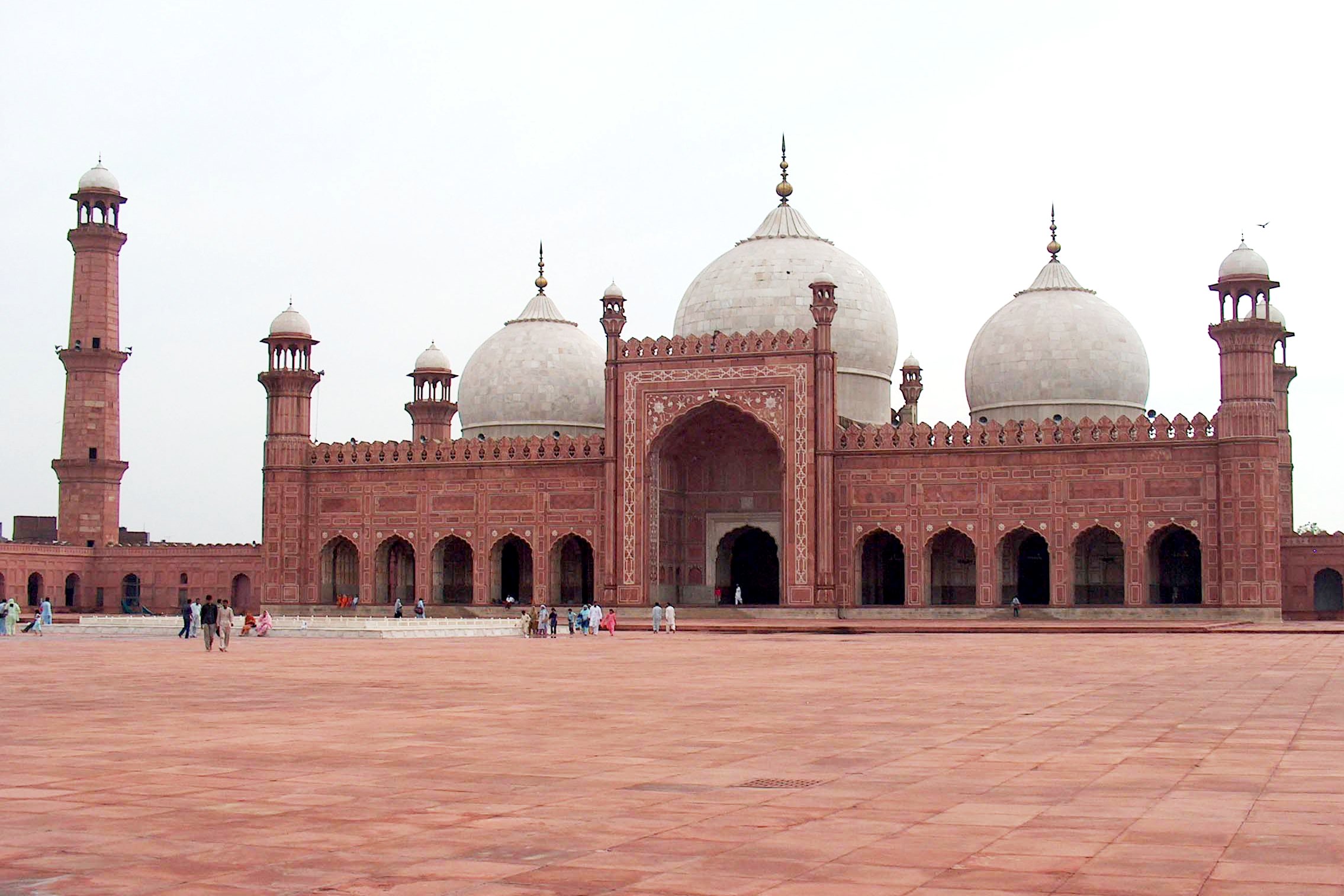
Geography: Pakistan has the 6th largest population in the world. It is in Southern Asia and borders the Arabian Sea to the South, and between India on the east and Iran and Afghanistan on the west and China in the north.
Population: 187,342,721 (July 2011 estimate)
Language: Official Language is Urdu, but only spoken by 8% of population, Punjabi is most spoken language (48% of population speaks Punjabi)
Area: 796,095 sq. km
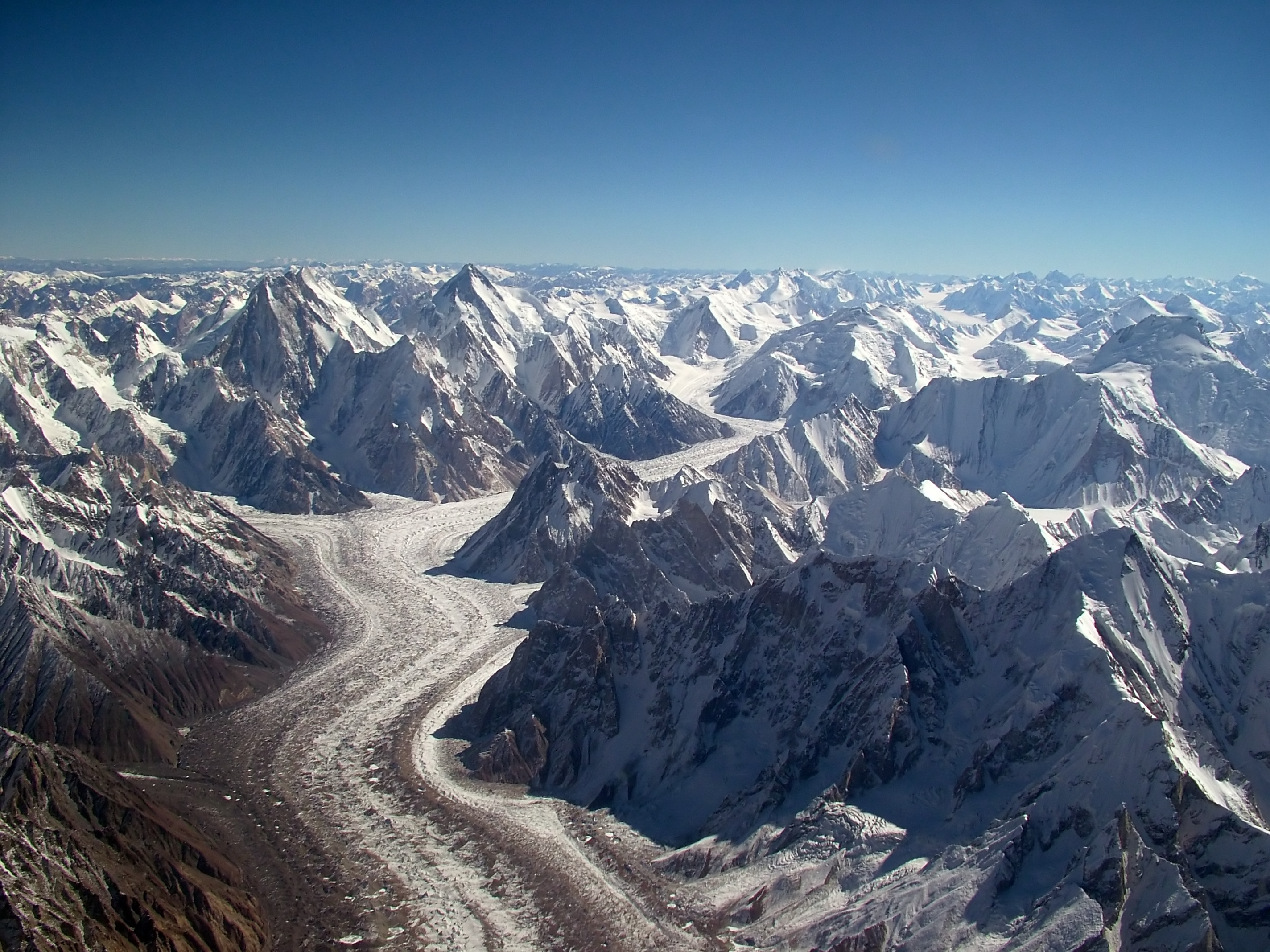
Climate: mostly hot, dry desert; temperate in northwest; arctic in north
Natural Resources: land, extensive natural gas reserves, limited petroleum, poor quality coal, iron ore, copper, salt, limestone
Religions: Muslim 95% (Sunni 75%, Shia 20%), other (includes Christian and Hindu) 5%
Capital City: Islamabad (832,000 in 2009)
Major Cities (other than Capital): Karachi (13.125 million); Lahore (7.132 million); Faisalabad (2.849 million); Rawalpindi (2.026 million)


http://en.wikipedia.org/wiki/Pakistan
Geography: Pakistan has the 6th largest population in the world. It is in Southern Asia and borders the Arabian Sea to the South, and between India on the east and Iran and Afghanistan on the west and China in the north.
Population: 187,342,721 (July 2011 estimate)
Language: Official Language is Urdu, but only spoken by 8% of population, Punjabi is most spoken language (48% of population speaks Punjabi)
Area: 796,095 sq. km
Climate: mostly hot, dry desert; temperate in northwest; arctic in north
Natural Resources: land, extensive natural gas reserves, limited petroleum, poor quality coal, iron ore, copper, salt, limestone
Religions: Muslim 95% (Sunni 75%, Shia 20%), other (includes Christian and Hindu) 5%
Capital City: Islamabad (832,000 in 2009)
Major Cities (other than Capital): Karachi (13.125 million); Lahore (7.132 million); Faisalabad (2.849 million); Rawalpindi (2.026 million)


http://en.wikipedia.org/wiki/Pakistan
Wednesday, February 16, 2011
Pakistan's Exports/Imports
Top Imports of Pakistan:
1. Petroleum
2. Machinary
3. Iron and Steel
Top Exports of Pakistan
1. Textiles
2. Rice
3. Leather Goods
https://www.cia.gov/library/publications/the-world-factbook/geos/pk.html
Pakistan is known as the world's third largest exporter of rice. After recent floods destroyed a standing crop of rice in Pakistan, they may ship 11% less rice this year. The floods washed away 700,000 tons of rice, destroying apparently $3.3 billion worth of crops. The price of rice will go up because the farmers will not have as much rice to sell and the quantity has gone down because of the amount of crops destroyed,
http://www.bloomberg.com/news/2011-02-10/pakistan-s-rice-shipments-may-fall-11-after-floods-group-says.html

Top Imports of Pakistan:
1. Petroleum
2. Machinary
3. Iron and Steel
Top Exports of Pakistan
1. Textiles
2. Rice
3. Leather Goods
https://www.cia.gov/library/publications/the-world-factbook/geos/pk.html
Pakistan is known as the world's third largest exporter of rice. After recent floods destroyed a standing crop of rice in Pakistan, they may ship 11% less rice this year. The floods washed away 700,000 tons of rice, destroying apparently $3.3 billion worth of crops. The price of rice will go up because the farmers will not have as much rice to sell and the quantity has gone down because of the amount of crops destroyed,
http://www.bloomberg.com/news/2011-02-10/pakistan-s-rice-shipments-may-fall-11-after-floods-group-says.html

Sunday, January 30, 2011




Subscribe to:
Comments (Atom)